
01 Sterilization performance-the most basic and main function of hypochlorous acid
Sterilization is the main function of hypochlorous acid. The surface of the cell membrane of microorganisms is negatively charged, so hypochlorite (ClO-, also negatively charged) cannot easily enter the inside of the cell, while hypochlorous acid (HClO) is neutral Small molecules can penetrate the cell membrane, enter the inside of the cell, and react with the DNA and mitochondria inside, causing it to die. Needless to say this function, many other functions of hypochlorous acid are also derived on this basis.

02 Fresh-keeping performance-the extension of the sterilization function of hypochlorous acid
Electrolyzed hypochlorous acid water belongs to the immersion type antiseptic and fresh-keeping agent. It is used to achieve the purpose of antiseptic and fresh-keeping by soaking and spraying. Hypochlorous acid water can kill or control the pathogenic microorganisms on the surface or inside of fruits and vegetables, and can adjust the postharvest of fruits and vegetables. Respiratory metabolism.
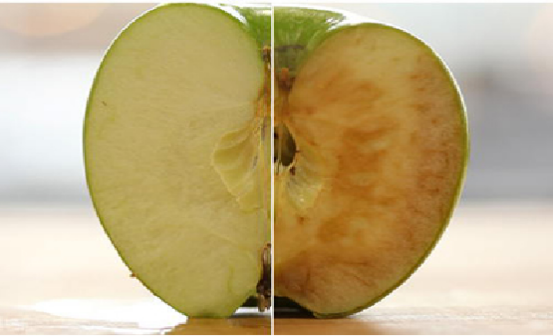
Studies have shown that slightly acidic hypochlorous acid water not only has a fresh-keeping effect on fruits and vegetables, but also has a good fresh-keeping effect on livestock and poultry products and aquatic products, and can ensure the stability of its quality indicators.
03 Deodorizing performance-hypochlorous acid can decompose a variety of odor molecules

Hypochlorous acid water has an excellent removal effect on dimethyl disulfide (similar to the smell of rotting cabbage), ammonia (similar to the smell of urine), and propionic acid (with the pungent smell of sweet and sour and burnt smell), and has an excellent removal effect on sulfur Hydrogen (similar to the smell of rotten eggs), trimethylamine (similar to the smell of stinky fish), n-butyric acid (sweat smell), n-valeric acid (scent of damp socks) also has a good performance
04 Formaldehyde removal performance-hypochlorous acid oxidizing property can decompose formaldehyde
Hypochlorous acid water can also be used for indoor formaldehyde removal. Due to its strong oxidizing property, hypochlorous acid water can remove formaldehyde in the air to a certain extent by spraying. The reaction is as follows:
HCHO+HClO=HCOOH+HCl
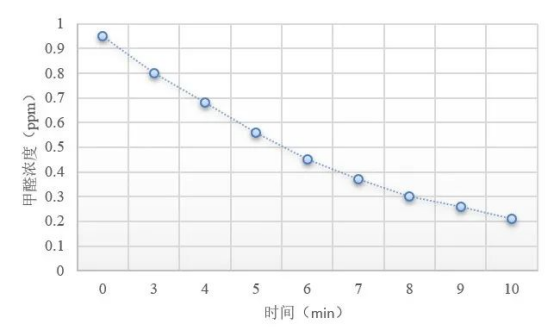
The data shows that when hypochlorous acid water is used for atomization for 10 minutes, the formaldehyde concentration in the 0.8m³ incubator drops from 0.95ppm to 0.21ppm, and the rate of decrease is 77.9%.
When it reaches the threshold of the formaldehyde concentration specification, as time goes by, the formaldehyde concentration decreases slowly, and it takes about 6 minutes to decrease from 0.11 ppm to 0.07 ppm.
05 Promote wound healing-an ideal wound care agent
Wound healing is a physiological process in which a variety of cytokines and growth factors participate in a coordinated interaction, involving cell biology such as cell movement, adhesion, proliferation and differentiation.
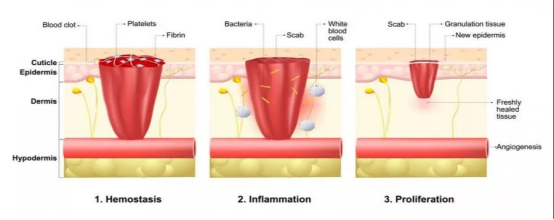
As an ideal wound care solution, the stable HOCl solution has a powerful and rapid killing effect on different types of microorganisms, biofilms and bacteria in biofilms. Secondly, it has a dose-dependent beneficial effect on the migration of fibroblasts and keratinocytes.
At the same time, studies have shown that 0.01% hypochlorous acid solution can increase the number of new capillaries in rat wound granulation tissue and increase the level of fibroblasts in rat wound granulation tissue, which can provide a basis for clinical use. These characteristics make HOCl solution an ideal wound care agent.
Related Products:
Electrolytic hypochlorous acid disinfection machine for daily family hotel restaurant
Fruit and vegetable washing and sterilizing electrolyzed water machine
Large-scale disinfection water electrolysis hypochlorous acid water machine for farms and livestock
high quality long service life electrolyzer for acid disinfection water machine
Large capacity industrial acid water electrolytic cell